Cotton Farming in Uganda: An Essential Pillar of Agriculture and Economic Growth.
HomeUncategorizedCotton Farming in Uganda: An Essential Pillar of Agriculture and Economic Growth.
Cotton farming has long been an integral part of Uganda’s agricultural landscape and economy. As one of the country’s major cash crops, cotton supports thousands of smallholder farmers and provides the raw material for Uganda’s burgeoning textile industry. While cotton farming in Uganda has seen its share of challenges, recent initiatives aimed at sustainability, improved yields, and market access are revitalizing the sector and offering promising opportunities for growth.
A Historical Perspective on Cotton in Uganda
Cotton was introduced to Uganda by British colonialists in the early 1900s, quickly establishing itself as one of the most valuable crops in the country. Throughout much of the 20th century, cotton was a key export, providing much-needed foreign exchange and contributing to national income. However, the industry faced numerous obstacles over the years, including fluctuating global prices, lack of infrastructure, and limited access to quality inputs, which hindered production. Despite these challenges, cotton remains a critical crop for Uganda, particularly in the northern and eastern regions, where it is a primary source of livelihood for many small scale farmers.
The Ugandan government and various organizations have made significant efforts to revive cotton farming, seeing it as a vital driver for economic development, job creation, and poverty reduction.
The Role of Smallholder Farmers in Cotton Production.
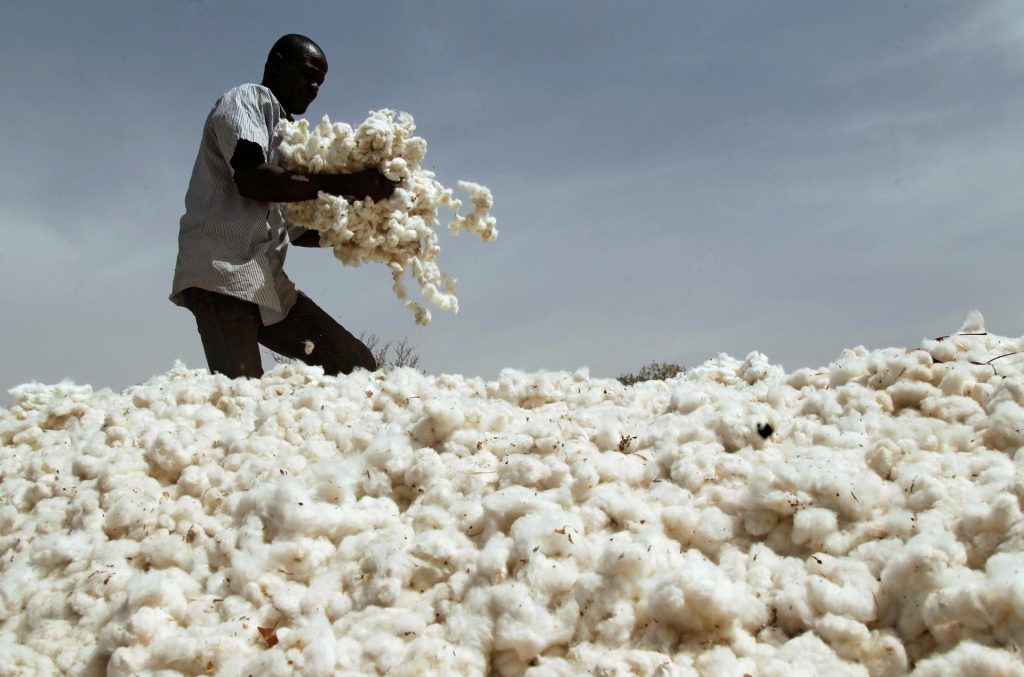
In Uganda, cotton farming is predominantly carried out by smallholder farmers, many of whom cultivate less than an acre of land. These farmers rely on traditional farming techniques, including manual planting, weeding, and harvesting.
Despite limited resources, smallholder farmers produce the bulk of Uganda’s cotton, and their contribution is essential to the industry’s success. To support these farmers, various initiatives have been introduced to provide access to quality seeds, fertilizers, and training on best practices. By adopting improved farming methods, farmers are able to increase their yields and improve the quality of their cotton, making it more competitive in both local and international markets.
Uganda’s Cotton Varieties and Production Regions.
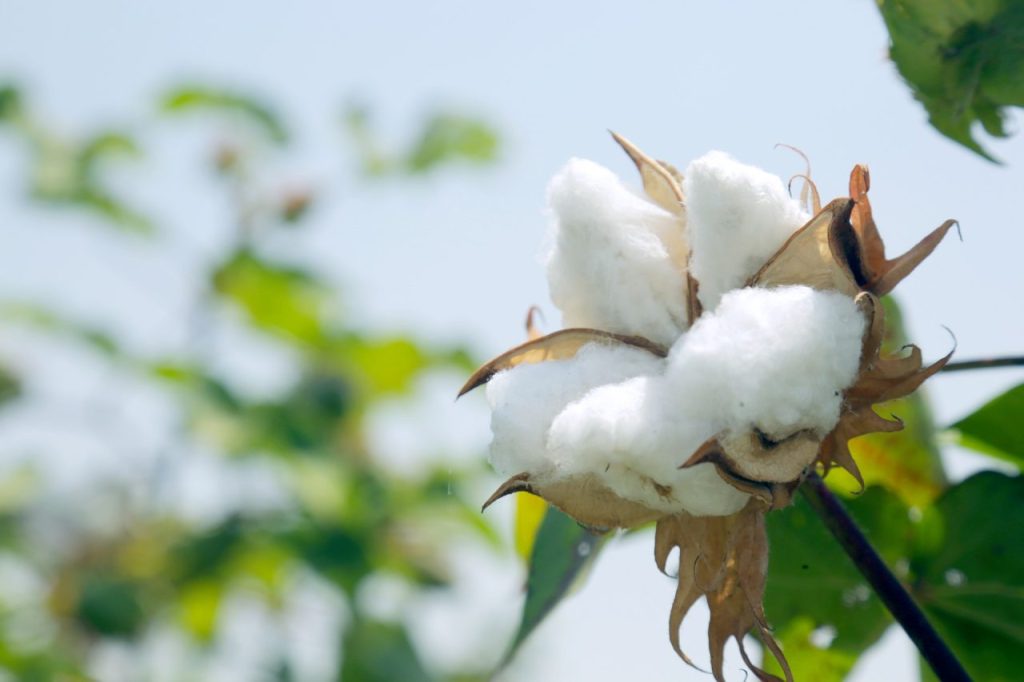
Uganda primarily grows two varieties of cotton: Gossypium hirsutum (upland cotton) and Gossypium barbadense (Egyptian cotton). While upland cotton is more commonly grown due to its shorter growing season and adaptability, Egyptian cotton is prized for its long, fine fibers and is considered a luxury product on the global market. The majority of Uganda’s cotton is grown in the eastern and northern regions, with districts like Lira, Gulu, and Kasese leading in production. These areas offer suitable climatic conditions for cotton cultivation, including well-distributed rainfall, warm temperatures, and fertile soils. Challenges Facing Cotton Farming in Uganda Despite the renewed interest in cotton farming, Ugandan farmers face several challenges that impact production and profitability:
Climate Change: Erratic rainfall patterns and prolonged droughts are making cotton farming more unpredictable and risky.
Access to Inputs: Many smallholder farmers struggle to afford or access quality seeds, fertilizers, and pesticides, which affects crop yields and quality.
Market Access and Fluctuating Prices: Global cotton prices are highly volatile, and smallholder farmers are often at the mercy of middlemen, who offer lower prices due to limited market access.
Pest and Disease Management: Pests such as the bollworm and diseases like bacterial blight can devastate cotton crops, further reducing yields and income.
Efforts to Revitalize Cotton Farming.
Several organizations, including the Uganda Cotton Development Organization (CDO), are working to address these challenges by promoting sustainable cotton farming practices, improving access to inputs, and facilitating market access for smallholder farmers. Some key initiatives include:
Introduction of Improved Seed Varieties: To boost yields and resilience, CDO provides farmers with improved seed varieties that are more resistant to pests, diseases, and drought.
Tr aining and Capacity Building: Farmers received training on best farming practices, such as crop rotation, soil fertility management, and integrated pest management, to maximize productivity and sustainability.
Certification Programs: With the growing demand for organic and fair-trade cotton, farmers have the opportunity to participate in certification programs that allow them to access premium markets and earn higher prices for their cotton.
Public-Private Partnerships: Collaboration between government agencies, non-governmental organizations, and private companies has been instrumental in developing infrastructure, facilitating credit access, and promoting sustainable practices within the cotton sector.
Cotton’s Role in Uganda’s Textile Industry.
As the Ugandan textile industry continues to expand, the demand for locally-sourced cotton is rising. Cotton farming no only provides raw materials for Uganda’s textile mill but also supports the creation of jobs in processing, manufacturing, and distribution. By cultivating more cotton domestically, Uganda can reduce its reliance on imported raw materials, bolster its textile industry, and create a more sustainable, self-sufficient supply chain. Additionally, the textile industry offers value-added opportunities that go beyond simply exporting raw cotton. By processing cotton into yarn, fabric, and finished products, Uganda can increase its export earnings, retain more economic value locally, and create new employment opportunities across the sector.
A Sustainable Future for Cotton Farming in Uganda.
While challenges remain, the future of cotton farming in Uganda is promising. With a renewed focus on sustainability, improved farming practices, and market access, cotton farming has the potential to be a key driver of economic growth and development. For Uganda, investing in the cotton sector means empowering smallholder farmers, revitalizing the textile industry, and contributing to the nation’s sustainable development goals. As the global demand for ethical, eco-friendly products continues to rise, Uganda’s cotton industry is well-positioned to thrive by promoting fair trade, organic practices, and high- quality production. Through continued support, innovation, and collaboration, Uganda’s cotton farmers can look forward to a more prosperous and sustainable future, ensuring that cotton remains a pillar of the country’s agricultural and economic landscape for years to come.