40% Off: Catch the Last Day of Insider Sale! Shop Now
Call +256 765 891 101 or +256 754 332 460 to place your order today!
Apparel that you can trust!
40% Off: Catch the Last Day of Insider Sale! Shop Now

Jersey printing technology has come a long way from basic screen printing to sophisticated methods that offer vibrant colors, durability, and customization. Whether it’s for professional athletes, local sports teams, or avid fans, jerseys are more than just apparel—they’re a symbol of team identity and personal pride. The advancements in jersey printing technology have not only improved the quality and aesthetics of these garments but also enhanced the ability to personalize them, making it easier than ever to represent your team or brand in style. In this blog, we’ll explore the latest trends and technologies in jersey printing, and how they’re shaping the future of sports apparel.
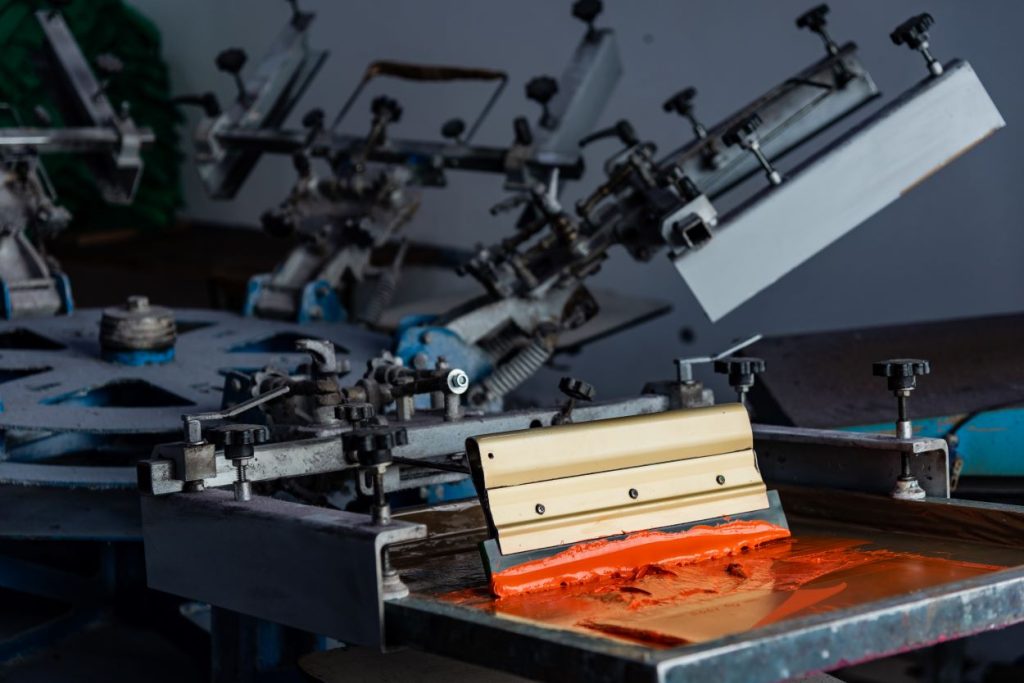
Screen printing has been a staple in jersey production for decades. This method involves pressing ink through a mesh screen onto fabric, one colour at a time. While screen printing remains popular for its cost effectiveness and ability to produce vibrant colours, it does have limitations particularly when it comes to complex designs or gradients.
Nevertheless, screen printing is ideal for simple, high-volume jobs, especially for teams or organizations looking to print large quantities of jerseys with the same design. Despite newer technologies emerging, screen printing continues to be a trusted method, valued for its reliability and classic look.
Heat transfer printing uses heat and pressure to bond a design onto a jersey. This method can handle intricate details and multiple colours more effectively than traditional screen printing. In recent years, heat transfer technology has advanced significantly, with innovations in transfer paper and vinyl making the process quicker and more efficient.
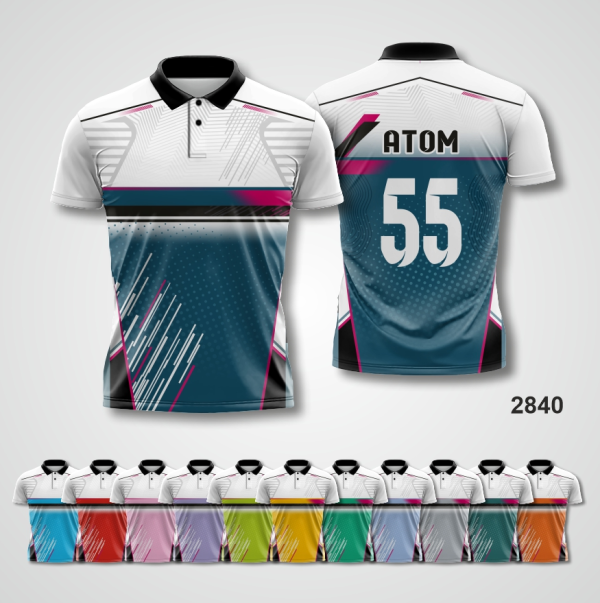
With this method, custom names and numbers can be added to jerseys with ease, making it a popular choice for sports teams that require individualized prints. Heat transfer printing also offers the flexibility to use specialty vinyl, such as metallic or reflective materials, which can make designs pop and add an extra layer of customization.
Sublimation printing is a game-changer in the world of jersey printing. This process involves transferring dye directly onto the fabric through heat, which converts the dye into a gas that permeates the material. The result is a vibrant, full-color print that becomes part of the fabric itself, meaning it won’t crack, peel, or fade over time.
Sublimation is especially popular for athletic jerseys, as it doesn’t affect the breathability or flexibility of the fabric. The process works best with polyester fabrics, making it ideal for performance wear that demands durability and moisture-wicking properties. With sublimation, there’s virtually no limit to the complexity of the design, making it the go-to option for creating multi-color, intricate graphics that are durable and comfortable.
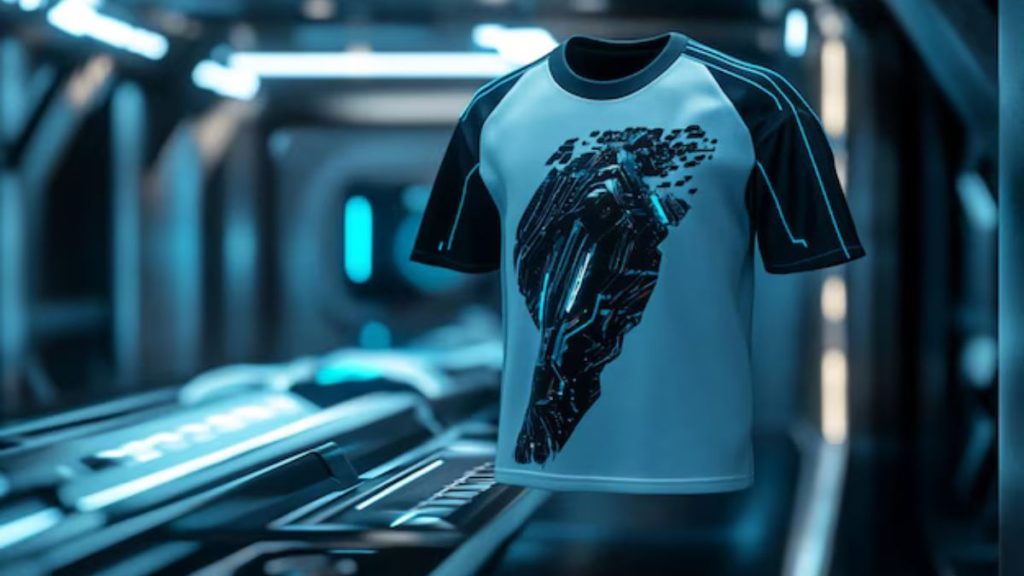
Direct-to-garment (DTG) printing is another innovative technique that has made its way into jersey printing. DTG uses a specialized printer to apply ink directly onto the fabric, allowing for precise and highly detailed designs. This method is perfect for short run prints or one-off customizations, as there’s no need to create screens or transfer materials.
One of the significant advantages of DTG is its ability to reproduce intricate designs with gradients and photo-quality detail. While DTG printing generally works best on cotton, advancements in ink technology are making it increasingly compatible with polyester blends, which is essential for sportswear.
Digital printing is a rapidly growing method in the apparel industry due to its speed, accuracy, and ability to handle complex designs. Like DTG, digital printing transfers ink directly onto the garment, but it’s capable of producing a broader range of colors and finer details. Digital printing is often favored for custom and small-batch orders, as it doesn’t require extensive setup like screen printing.
This method allows for full color, high-resolution graphics, which are perfect for modern jersey designs that often incorporate vibrant colors and intricate patterns. The technology behind digital printing continues to evolve, with new printers and inks that improve durability and colorfastness, making it a strong contender in the sports apparel market.
While printing remains the primary method of applying designs to jerseys, laser cutting and embroidery are increasingly being used to add texture and dimension. Laser cutting allows for precision cutting of intricate patterns or logos, which can then be heat-sealed or stitched onto jerseys for a three-dimensional effect. Embroidery, on the other hand, adds a level of durability and elegance that printing alone cannot provide. Although it’s generally used for team logos or individual player names, embroidery gives jerseys a premium feel and makes the branding stand out. Combining these techniques with traditional printing methods allows brands to create unique, visually striking jerseys that capture attention on and off the field.
Sustainability is becoming a critical factor in sports apparel, and jersey printing technology is adapting to meet this demand. Many manufacturers are shifting towards water-based inks, which are less harmful to the environment compared to traditional solvent-based inks.
Sublimation, which eliminates the need for water in the dyeing process, is also considered more eco friendly than some other methods.
In addition, companies are exploring the use of recycled polyester fabrics, which can be easily printed on using sublimation or digital printing methods. By incorporating these materials and practices, sports apparel brands are not only reducing their environmental impact but also meeting the expectations of consumers who are increasingly concerned about sustainability.
As technology advances, jersey printing is likely to become even more customizable and personalized. With online design tools and streamlined production processes, fans and athletes can design their own jerseys with unique color schemes, graphics, and personal touches, and have them printed and delivered in record time.
The future may also see more integration of smart apparel technology, where printed jerseys can include RFID chips or conductive ink to track performance metrics, provide real- time feedback, or even light up during night games. These innovations not only enhance the functionality of jerseys but also open new possibilities for fan engagement and interactivity.
Conclusion
The advancements in jersey printing technology are revolutionizing the way we think about sports apparel. From vibrant colors and intricate details to durable, eco-friendly prints, modern jersey printing techniques offer more options than ever before. Whether you’re a player, a coach, or a fan, these technologies make it easier to express team spirit, embrace personal style, and enjoy high performance apparel that looks as good as it feels.
As the demand for unique, high-quality, and sustainable sportswear continues to grow, the future of jersey printing is filled with exciting possibilities. By embracing these innovations, brands can not only meet the needs of today’s consumers but also set new standards for sports apparel in the years to come.