40% Off: Catch the Last Day of Insider Sale! Shop Now
Call +256 765 891 101 or +256 754 332 460 to place your order today!
Apparel that you can trust!
40% Off: Catch the Last Day of Insider Sale! Shop Now

The world of fashion is continually evolving, and so are the methods brands use to connect with their consumers. As technology advances, apparel branding has transformed from simple labels and logos to complex, interactive experiences that merge physical and digital worlds. From smart tags and augmented reality t personalized marketing and sustainable practices, modern apparel branding is leveraging cutting-edge technologies to engage customers, build brand loyalty, and enhance the overall shopping experience. In this blog, we’ll explore some of the most exciting advancements in apparel branding technology and how they are shaping the future of the industry.
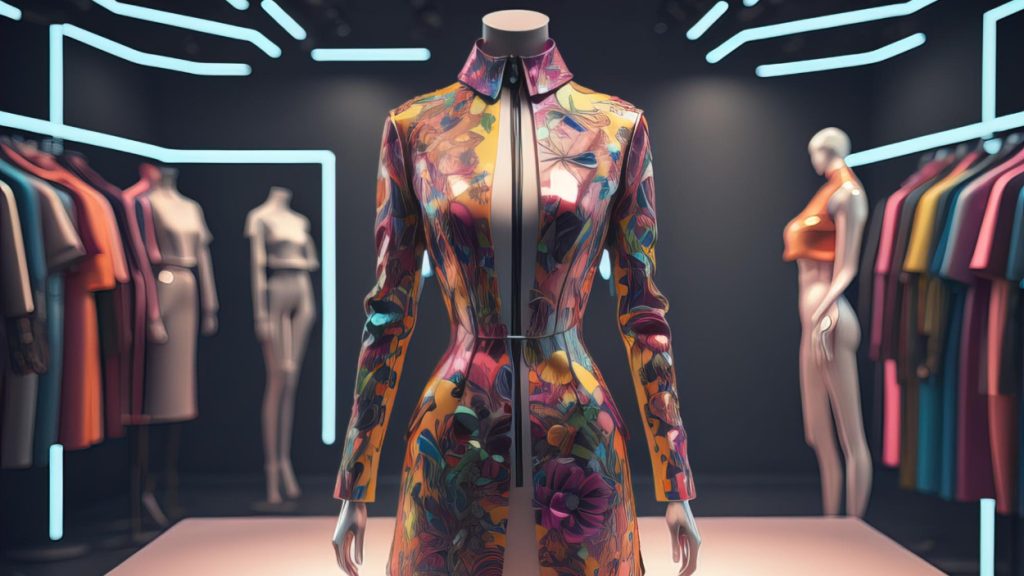
One of the most significant shifts in apparel branding is the increased demand for transparency. Today’s consumers want to know more about the products they purchase—where they were made, what materials were used, and the environmental impact of their production. Smart labels and QR codes offer a seamless way to provide this information.
By simply scanning a QR code on a garment label, customers can access detailed information about the product, including its supply chain journey, sustainability credentials, and care instructions. Some brands are also using NFC (Near Field Communication) tags that allow smartphones to access this information without needing to scan a code. These technologies enable brands to communicate directly with customers, building trust and offering valuable insights into their sustainability efforts and ethical practices.
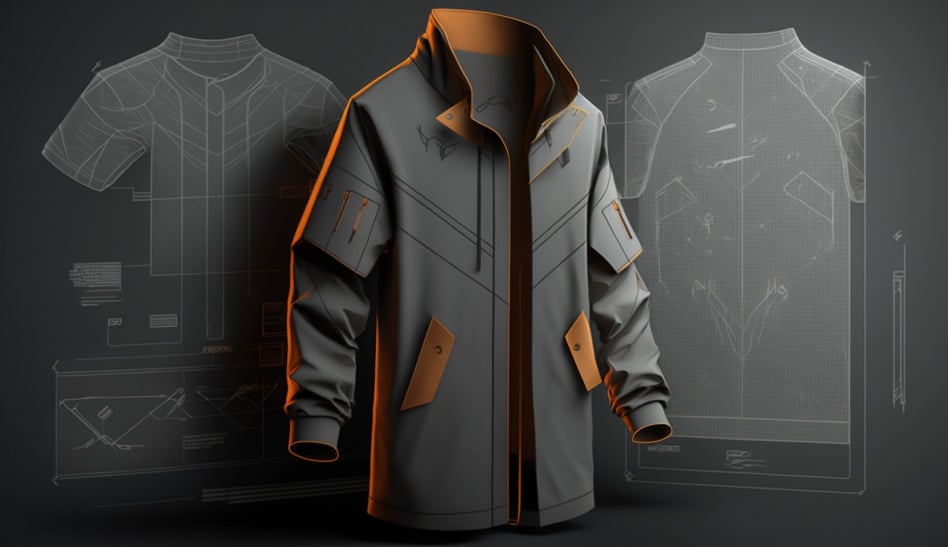
Augmented reality is transforming the way consumers interact with apparel brands, providing immersive experiences that enhance customer engagement. With AR, brands can create virtual try-ons, allowing customers to visualize how an item will look on them without physically trying it on. This technology is particularly popular in online shopping, where it can bridge the gap between digital and physical experiences.
In addition to virtual try ons, AR can also be used for storytelling and brand immersion. For instance, customers can point their phones at a garment tag to unlock an interactive video or animation about the brand’s history or the inspiration behind a particular collection. This not only adds a fun, engaging element to the shopping experience but also helps consumers connect with the brand on a deeper level.
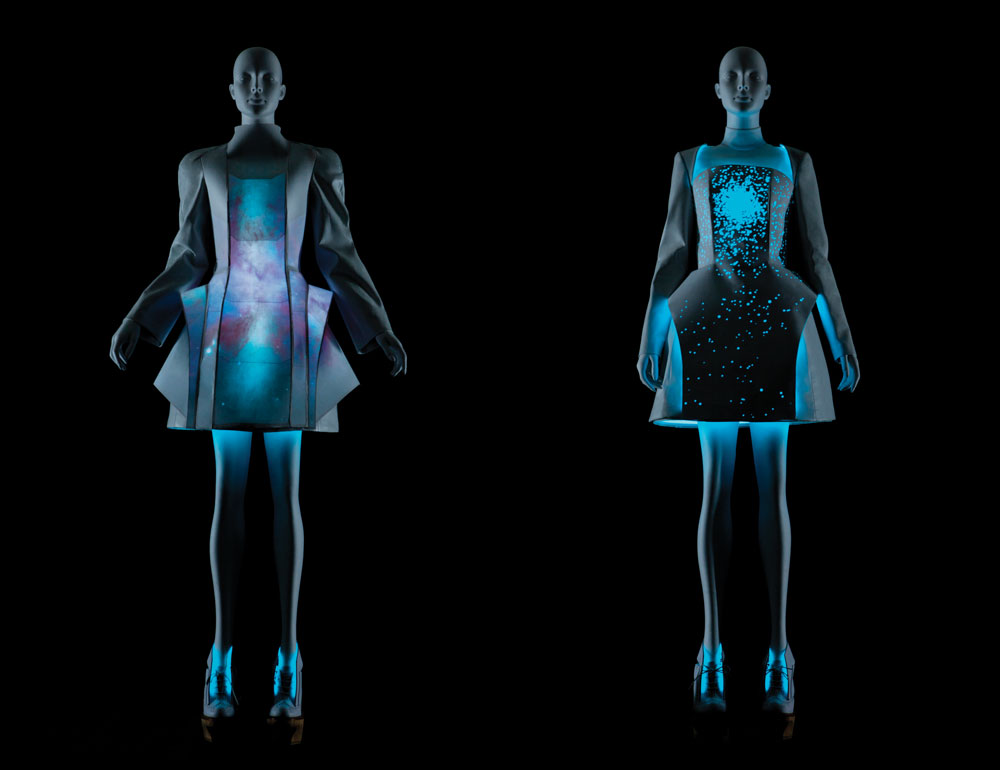
Blockchain technology has started to make its way into apparel branding, primarily as a means of ensuring authenticity and transparency. With counterfeit products posing a significant issue in the fashion industry, blockchain offers a secure way for consumers to verify the authenticity of their purchases.
Blockchain-based platforms can store every step of a garment’s supply chain journey, from raw material sourcing to manufacturing and retail. By scanning a product’s unique digital ID, customers can access a verifiable record of its origins, materials, and production processes.
This level of traceability not only helps brands combat counterfeiting but also reinforces their commitment to ethical and sustainable practices.
Personalization has become a cornerstone of modern apparel branding, with consumers increasingly expecting tailored experiences. Advances in artificial intelligence (AI) and data analytics enable brands to gather insights into customer preferences, shopping behaviors, and trends.
Using AI-driven algorithms, apparel brands can offer personalized product recommendations, targeted marketing campaigns, and even customized garment designs based on individual preferences. For example, some brands allow customers to personalize items by choosing colors, patterns, or fabrics, creating a unique piece that reflects their personal style. Personalized marketing fosters a deeper connection with consumers, driving brand loyalty and increasing the likelihood of repeat purchases.
As the fashion industry faces growing scrutiny over its environmental impact, sustainability has become a key focus for apparel branding. Technological advancements are helping brands not only adopt more sustainable practices but also communicate these efforts to consumers effectively.
For instance, some brands are using digital watermarks to provide information about the garment’s sustainability, such as the amount of water saved in production or the percentage of recycled materials used. Additionally, technologies like digital twins—virtual replicas of physical garments—enable brands to showcase the lifecycle o their products, from design to recycling, illustrating their commitment to reducing waste and carbon footprint.
Virtual fashion shows and digital showrooms are another innovation reshaping apparel branding. These experiences allow brands to showcase their collections in a fully digital environment, reaching a global audience without the constraints of physical space. This not only reduces the environmental impact associated with traditional fashion shows but also offers a more accessible and interactive experience for viewers.
Through virtual showrooms, customers can explore products in a 3D environment, view them from all angles, and even purchase items directly from the platform. This digital approach to branding allows for a more engaging experience while also supporting e- commerce growth and expanding brand reach.
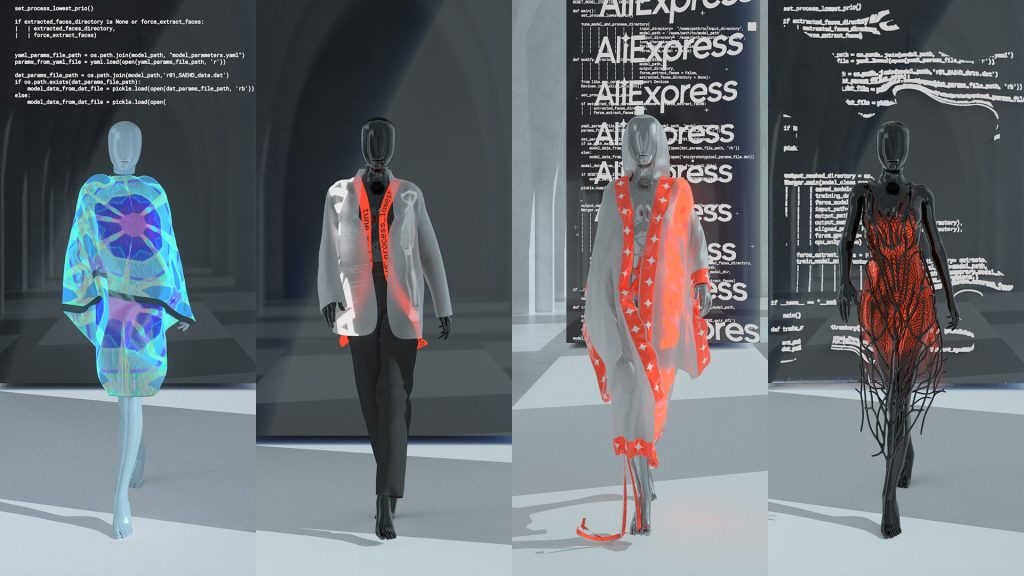
3D printing is becoming increasingly popular in apparel branding, enabling brands to create unique, customizable elements for their products. From personalized logos and labels to intricate patterns and textures, 3D printing offers endless possibilities for brand differentiation.
Brands can also use 3D printing to create limited edition or one-of-a-kind pieces, adding a sense of exclusivity and uniqueness that appeals to consumers looking for standout items. Moreover, 3D printing supports on-demand production, which reduces waste and allows brands to experiment with innovative designs without the need for mass production.
The future of apparel branding lies in the seamless integration of technology and consumer experience. As advancements in AR, AI, blockchain, and sustainability continue to evolve, brands have more tools than ever to connect with their customers in meaningful ways. By leveraging these technologies, apparel brands can not only meet the demands of today’s tech-savvy and environmentally-conscious consumers but also differentiate themselves in an increasingly competitive market.
In the coming years, we can expect to see even more innovative branding solutions that make shopping experiences more personalized, interactive, and sustainable. For apparel brands, staying at the forefront of these technological advancements is essential for building lasting customer relationships and setting new standards in the fashion industry.