40% Off: Catch the Last Day of Insider Sale! Shop Now
Call +256 765 891 101 or +256 754 332 460 to place your order today!
Apparel that you can trust!
40% Off: Catch the Last Day of Insider Sale! Shop Now

Uganda’s textile industry has long been a pillar of its economy, and textile spinning is at the heart of this sector. As the country’s textile industry continues to grow and modernize, the future of textile spinning in Uganda holds immense promise. With advancements in technology, a growing emphasis on sustainability, and a burgeoning local market, Uganda is well positioned to become a significant player in the global textile spinning industry. Here, we explore the opportunities and challenges that lie ahead, as well as the role textile spinning will play in Uganda’s industrial landscape.
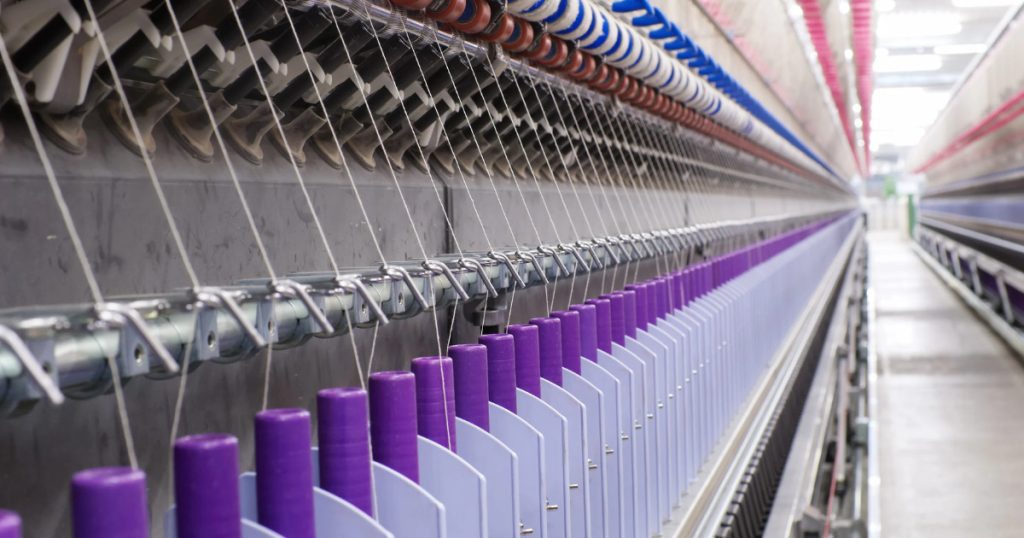
Textile spinning is the process of transforming raw cotton into yarn, which can then be woven or knitted into fabric. This essential step in the textile production chain adds value to raw materials and supports the development of a local textile industry. By investing in spinning capabilities, Uganda can create more value-added products, boost exports, and reduce reliance on imported yarn and textiles.
The Ugandan government and various stakeholders recognize the potential of textile spinning to drive economic growth and job creation. By building and upgrading spinning mills, Uganda can provide employment opportunities, particularly in rural areas where cotton farming is prevalent. Furthermore, developing a robust spinning sector aligns with Uganda’s broader goal of industrialization and economic self-sufficiency.
One of the most exciting aspects of the future of textile spinning in Uganda is the potential for technological advancements. As global textile production becomes increasingly automated and efficient, Ugandan spinning mills have the opportunity to adopt state-of-the-art machinery and techniques. Modern spinning technology, such as ring spinning and open-end spinning, allows mills to produce high-quality yarn more quickly and with greater consistency. Additionally, these technologies are more energy-efficient, helping reduce costs and minimize environmental impact. Investing in advanced spinning technology will enable Ugandan mills to compete with international producers, meet the demands of both local and export markets, and produce specialized yarns that cater to niche markets, such as organic and sustainable textiles.

Sustainability is becoming a core focus of the global textile industry, and Uganda is no exception. As the country seeks to expand its textile spinning sector, there is a growing awareness of the need for environmentally responsible practices. This includes reducing water usage, minimizing waste, and adopting renewable energy sources. Spinning mills in Uganda have an opportunity to lead the way in sustainable practices by implementing eco-friendly methods and sourcing cotton from certified organic or fair-trade suppliers. For example, using recycled or reclaimed fibers in spinning processes can help reduce the environmental footprint of textile production. Furthermore, adopting energy-efficient machinery and exploring alternative energy sources, such as solar power, can significantly reduce greenhouse gas emissions and operational costs. These sustainable practices not only align with global environmental goals but also enhance the appeal of Ugandan textiles to eco conscious consumers around the world.
The future of textile spinning in Uganda will also hinge on producing high quality yarn that meets international standards. By focusing on quality control, Ugandan spinning mills can ensure that their yarn is durable, consistent, and suitable for a range of textile applications.
This is essential for building a reputation in the competitive global market, where quality often determines the success of a product.
To achieve this, Ugandan mills can invest in training and capacity-building initiatives for their workforce. Skilled technicians and operators are essential fo maintaining and operating advanced spinning equipment, as well as ensuring quality at every stage of production. With the right training, Ugandan workers can contribute to the production of premium yarn that supports the growth of the local textile industry and attracts international buyers.
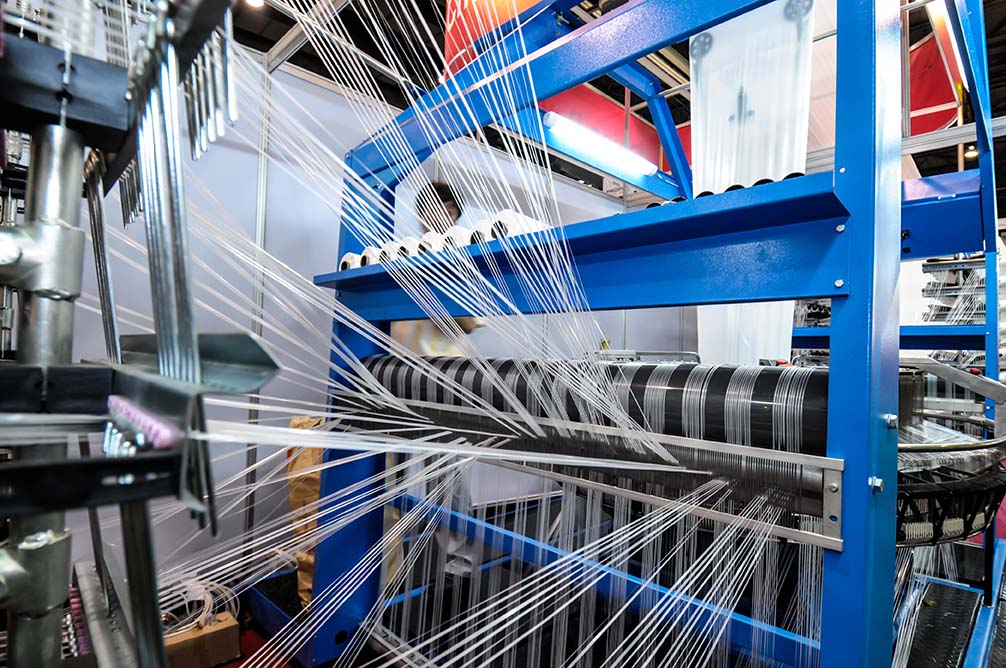
Uganda has a significant advantage as a cotton producing country, and with the right investment in textile spinning, the nation can capitalize on growing demand both domestically and internationally. In recent years, there has been increasing global interest in African textiles, particularly for sustainable and ethically produced goods. By enhancing its spinning capabilities, Uganda can meet this demand and establish itself as a reliable supplier of quality yarn. Moreover, a thriving spinning sector can help satisfy local demand for yarn, supporting Uganda’s textile and garment industries. With more locally-produced yarn available, Uganda’s designers and manufacturers can create products that showcase the country’s cultural heritage, thereby fostering a sense of pride and ownership in locally-made goods.
In addition to traditional cotton yarn, Ugandan mills can explore the production of blended yarns, such as those incorporating wool, silk, or synthetic fibers, to diversify their product offerings and cater to a wider range of markets. By staying adaptable and responsive to market trends, Uganda’s spinning sector can position itself as a dynamic and competitive player in the global textile landscape.
While the future of textile spinning in Uganda is bright, there are challenges that must be addressed to unlock the sector’s full potential. Access to capital remains a significant barrier, as the investment required for modern spinning equipment and infrastructure is substantial. However, government support, public-private partnerships, and foreign investment can help overcome this hurdle. Another challenge is the need for continuous skill development and workforce training to ensure that employees are proficient in using advanced machinery and maintaining quality standards. By investing in education and training programs, Uganda can build a skilled labor force that supports the growth and sustainability of the textile spinning sector.
Lastly, the volatility of global cotton prices can impact the cost of raw materials for spinning. Developing a more resilient and diversified supply chain, as well as promoting value-added products, can help mitigate the impact of price fluctuations.
The future of textile spinning in Uganda is one of innovation, opportunity, and sustainable growth. By embracing modern technology, prioritizing sustainability, and focusing on quality, Uganda’s textile spinning sector can thrive, offering significant economic benefits for the country. As the demand for ethically-produced textiles continues to rise globally, Uganda has the potential to become a leading producer of high-quality yarn, showcasing the nation’s rich agricultural resources and skilled workforce.
By investing in the future of textile spinning, Uganda can not only boost its textile industry but also create jobs, support smallholder cotton farmers, and contribute to the nation’s economic resilience and growth. The journey ahead promises to be transformative, positioning Uganda as a hub for sustainable, innovative, and high-quality textile production in the heart of Africa.